The Importance of Rekeying Your Locks: Insights from Professionals and Nearby Services You Can Count On!
Rekeying locks is fundamental to improving residential security. It is particularly important after major life transitions, including a move or the end of a relationship. This method invalidates previously used keys, preventing unwanted individuals from entering your home. Being aware of when and how to rekey your locks can have a major impact on your personal safety. Yet, not all rekeying services are created equal. Taking the proper steps to find the right provider can make a significant difference.
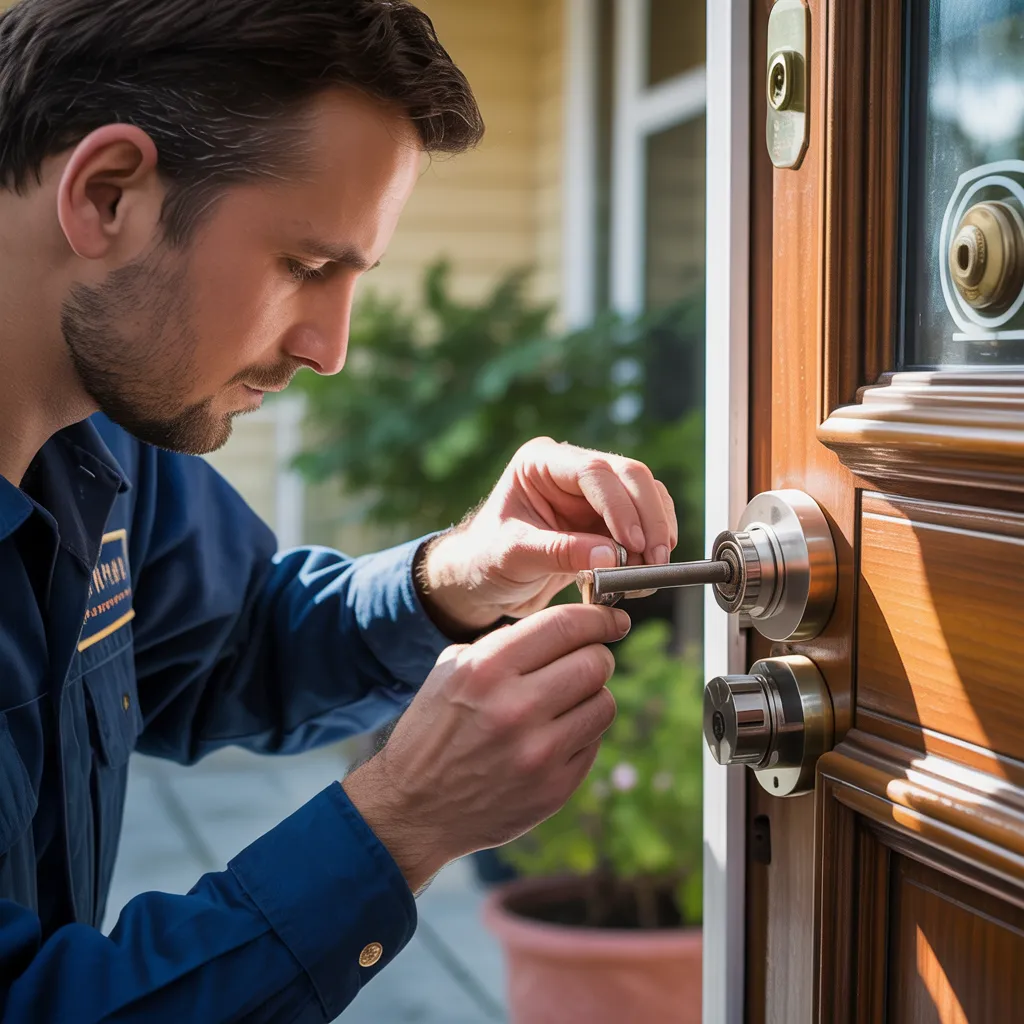
Why Rekeying Plays a Key Role in Your Home's Security
Rekeying plays a vital role in improving a home's security, especially when there are issues regarding unauthorized individuals gaining access. This method includes modifying the internal components of a lock, invalidating existing keys while offering new keys that operate flawlessly. Residents commonly face scenarios where prior keys might still be accessible, such as after relocating or experiencing a lost key. By rekeying, they guarantee that only trusted individuals retain access to their property.
Additionally, rekeying is a cost-effective alternative to replacing entire lock systems. It not only strengthens security but also offers peace of mind. Professional locksmiths can quickly perform this task, often within a single appointment. Periodic rekeying can serve as part of a homeowner's protective routine, responding to changes in household arrangements or security demands. Ultimately, prioritizing rekeying contributes considerably to a home's overall security strategy.
When You Should Consider Rekeying Your Locks
Homeowners ought to think about rekeying their locks in a number of situations in order to preserve security. One typical circumstance occurs when people move into a newly purchased home; past tenants could potentially still have entry to the property. In the same way, following a divorce or separation, rekeying ensures that a former partner is unable to access the home. Moreover, when a key goes missing or is taken, it creates a notable security vulnerability, making rekeying a sensible course of action.
When lockouts occur regularly or a lock mechanism begins to show signs of deterioration, rekeying may prove to be a practical solution. Residents may find rekeying valuable during scheduled security enhancements, especially if they have recently adopted modern security solutions. Furthermore, if the risk of unauthorized key duplication becomes a concern, rekeying offers a reliable sense of security. By addressing these situations promptly, homeowners can enhance their security and protect their property effectively.
Understanding How Rekeying Works: A Simple Overview
Modifying the internal components of a lock can significantly improve security without the need for a full replacement. Rekeying involves altering the lock's internal pins and springs to create a new key that operates the lock while rendering the old key useless. The procedure starts by disassembling the lock cylinder, where the existing pins are removed and replaced with new ones of different lengths. Each individual pin matches a specific depth on the new key. Once reassembled, the lock can only be opened with the newly cut key. The whole process generally requires less time than a full lock replacement and is frequently more economical. Moreover, rekeying permits homeowners to retain their present locks while strengthening security, most notably after losing a key or transitioning into a new property. This solution delivers peace of mind without the financial burden and effort of entirely replacing a lock.
How to Pick the Ideal Rekeying Service
Selecting the right rekeying professional can considerably influence the effectiveness and reliability of the security improvement. When selecting a provider, it is important to assess the provider's reputation. Browsing online testimonials and seeking referrals from reliable contacts can make it easier to locate trustworthy specialists.
In addition, validating the certifications and background of the locksmith is essential. A insured and licensed locksmith generally ensures a greater standard of service. It's also beneficial to learn about the approaches and instruments they utilize, as contemporary techniques can boost overall security.
Clear and upfront pricing is also a key consideration; a trustworthy provider will offer straightforward quotes with no concealed charges. Furthermore, evaluate the scheduling flexibility of the locksmith. A professional who accommodates varied schedules can handle pressing needs in a timely manner. Through careful assessment of these factors, customers can reach a well-informed choice, ensuring their rekeying requirements are handled promptly and professionally.
What You Can Expect When Paying for Rekeying
When considering the cost of having locks rekeyed, individuals should be familiar with the various elements that influence costs. These can include the intricacy of the lock design and the service providers in the area accessible. Being aware of these factors will support an informed decision and managing expectations regarding costs.
Understanding Rekeying Costs
Recognizing the expenses involved in rekeying locks is crucial for property owners who value security and convenience. Typically, rekeying services cost between $20 to $50 per lock, based on the service provider and location. This price may rise if more locks need to be rekeyed or if unique lock types require attention. Residents should also account for additional travel costs if the locksmith is expected to travel a significant distance. While certain homeowners may opt for DIY rekeying kits, working with a professional locksmith ensures the job is performed with precision and care. In the end, choosing professional rekeying services not only enhances security but also delivers confidence, making it a smart choice for all residents.
Elements That Influence Pricing
Several factors influence the cost of lock rekeying, making it essential for property owners to be informed about what to expect. To begin, the kind of lock plays a major role; advanced security locks often necessitate specialized tools and expertise, leading to greater pricing. Additionally, the quantity of locks requiring rekeying directly affects the overall cost; multiple locks generally result in bulk discounts. Labor costs can fluctuate according to the service provider and geographic location, with metropolitan regions often commanding greater fees. In addition, if extra services, such as emergency rekeying or after-hours service, are necessary, these can add to the overall cost. Homeowners should collect quotes and take these elements into account to prepare adequately for professional rekeying solutions.
Local Service Options
Nearby service choices for lock rekeying can vary considerably, giving homeowners a variety of selections tailored to their needs. Many local locksmiths offer mobile services, permitting specialists to arrive at the property. This benefit commonly encompasses same-day appointments, which may be critical for emergency circumstances. Costs can vary based on the intricacy of the locks and the number of keys needed. Property owners can anticipate clear quotes prior to service starting, often including a breakdown of labor and materials. It's advisable to check for local reviews and certifications to guarantee reliability. Furthermore, certain home improvement shops provide rekeying as another option, which could prove more cost-effective for individuals at ease with self-service tasks.

Best Local Rekeying Services in Your Area
Finding reliable rekeying services can greatly enhance home security. Community locksmiths frequently offer tailored rekeying services that address diverse requirements, from domestic residences to commercial properties. It is crucial to take into account customer reviews and ratings to identify trustworthy professionals.
Numerous cities feature locksmiths on call around the clock, ensuring quick access to professional rekeying assistance in times of need. A number of well-established businesses supply mobile services, enabling technicians to arrive at the customer's location promptly. Moreover, nearby hardware retailers may provide rekeying kits for DIY enthusiasts, though professional assistance is recommended for best results.
Moreover, neighborhood recommendations can result in identifying overlooked explore this topic specialists that may not market themselves extensively. By reviewing potential candidates and seeking out experienced locksmiths, residents can ensure their rekeying needs are handled properly and thoroughly. Implementing these strategies can bring about enhanced reassurance concerning property security.
Questions We Often Receive
Is It Possible to Rekey My Locks on My Own, or Should I Call a Professional?
Rekeying a lock is something individuals with experience in the process can attempt, but hiring a professional guarantees proper handling and security. Balancing individual capability with the potential hazards involved typically yields superior results when an expert is consulted.
How Much Time Does the Rekeying Process Usually Take?
The rekeying process usually takes approximately 15 to 30 minutes per lock, based on the complexity and the technician's experience. An experienced technician can provide efficiency and accuracy, limiting any potential problems throughout the procedure.
Can Rekeying My Locks Invalidate Any Warranties?
Rekeying locks typically does not affect warranties, as the majority of manufacturers permit this procedure. However, it's advisable to look over the specific warranty conditions or speak directly with the manufacturer to confirm compliance and steer clear of unintended complications.
What Instruments Do Professionals Use for Lock Rekeying?
Professionals generally employ tools such as a lock rekeying kit, a set of screwdrivers, pliers, and a plug follower. These tools aid in disassembling the lock, swapping out the pins, and confirming correct operation once the rekeying process has been completed.
How Often Should I Consider Rekeying My Locks?
Security specialists suggest rekeying locks every few years or right away following a key going missing, transitioning into a new residence, or experiencing a security breach. Consistent rekeying practices improves security and guarantees exclusively approved individuals can access the property.